Darksiders Genesis
No (S)trifle
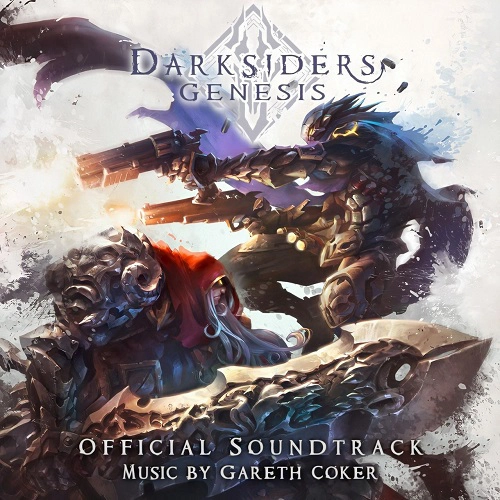
“Genesis, the – Genesis, also [ˈɡeːn...]”: This is how the dictionary describes the biblical story of creation from the Book of Genesis. It is the alpha, the beginning of all existence and the work of God. Against this backdrop, it makes perfect sense that the 2019 spin-off of the Darksiders-series, Darksiders Genesis, shifted the action to a top-down perspective. The classic third-person view is a thing of the past. Instead, we now look down on the game like gods – a camera position that seems almost indispensable for the hack-and-slay genre à la Diablo or Hades . And that's exactly the approach taken by Darksiders Genesis.
What we see here is, on the one hand, the consistent retention of the series' distinctive comic book look and, on the other hand, a playfully solid title from development studio Airship Syndicate (Battle Chasers: Nightwar), which, with a Metascore of 77 (User Score: 7.5), even ranks higher than the direct predecessor of the main series, Darksiders III. But not everything is new: With War, we control a familiar face, as the apocalyptic horseman was already the protagonist of the very first installment of the franchise. He is now joined by the last member of the quartet of horsemen: Strife.
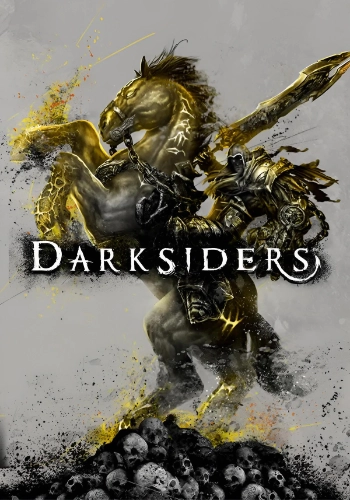
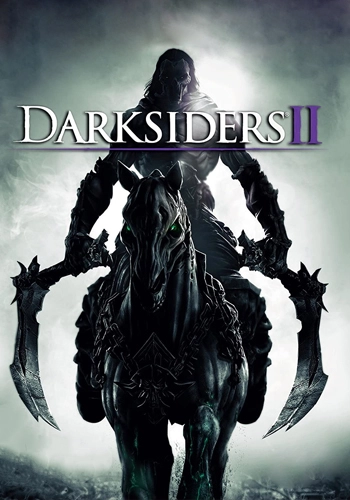
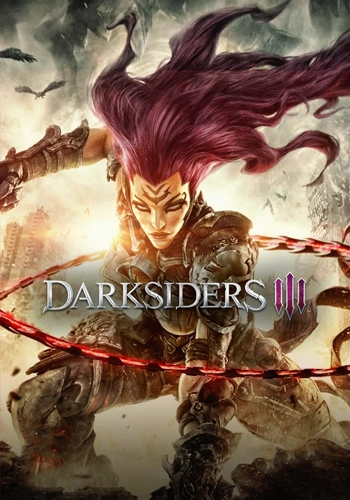
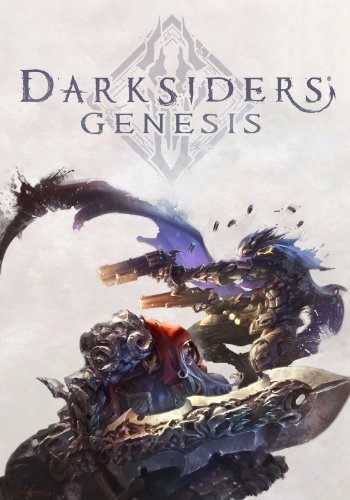
While his siblings wield swords, scythes, or whips, this brother prefers to seek conflict from a distance: in akimbo style and in the best Tomb Raider-fashion, he shoots his way through the ranks of various demons and other figures from the Christian canon. I can't say for sure how profound the story actually is and whether the gameplay will hold up in the long run, as I personally wasn't completely won over by the presentation and therefore didn't play this part of the series. Hopefully, the announced Darksiders 4 will be more to my taste.
The score
What is beyond any (divine) doubt, however, is the accompanying soundtrack. It was composed by Gareth Coker, who has made a name for himself in recent years with his work on Immortals Fenyx Rising (2020), Ruined King: A League of Legends Story (2021), and Mario + Rabbids Sparks of Hope (2022) – and not least through the award-winning Ori-soundtracks – has secured a permanent place in my personal Hall of Fame.
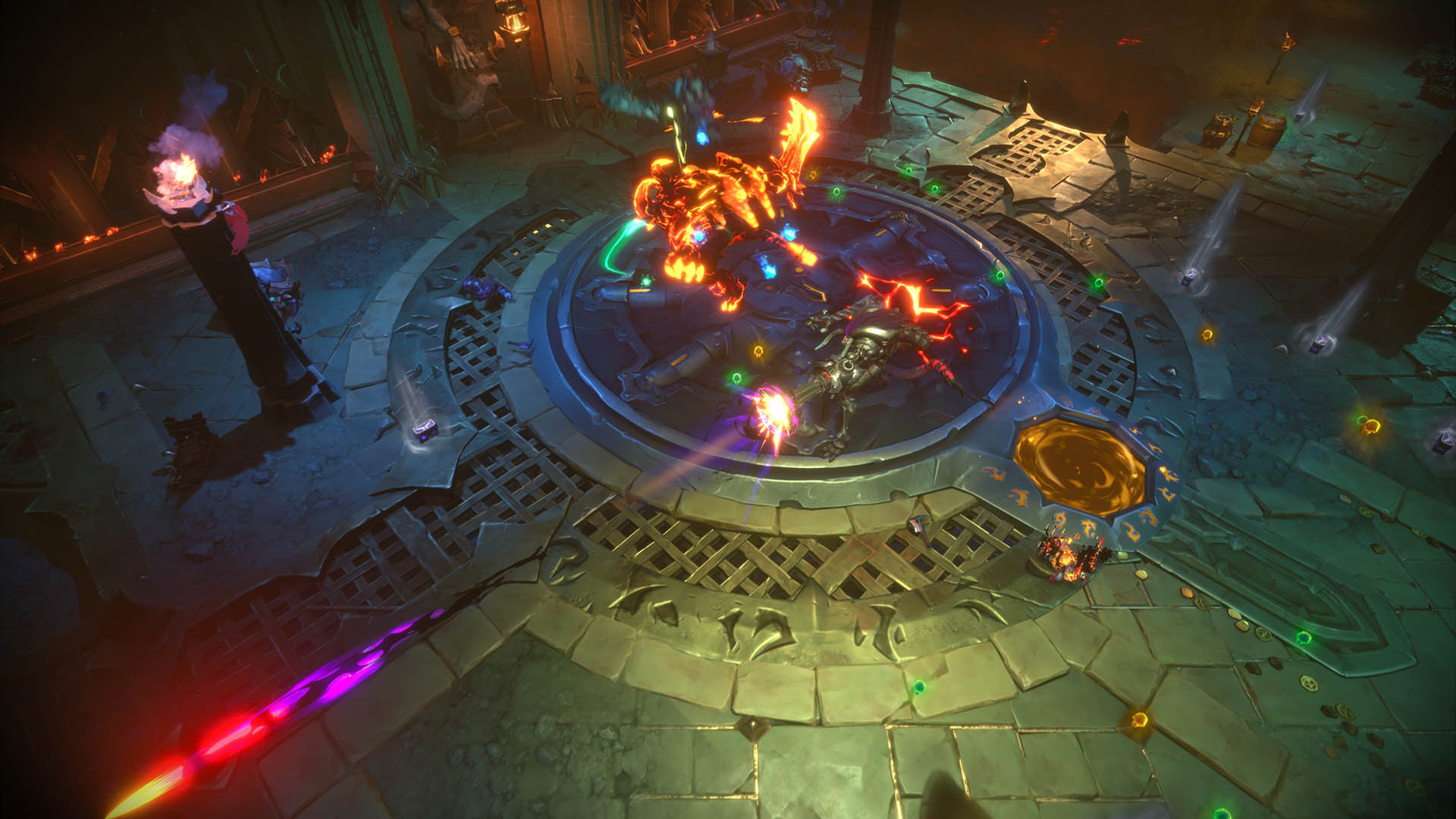
For Darksiders Genesis, the British composer delivers top-notch music that easily rivals the sounds of the main games. His style is characterized by a symbiosis of soulful strings, a powerful orchestra, and epic choral elements. The Choir Vania Moneva can be heard in various pieces of the OST; Coker already used it for his work on Halo: Infinite. The track AstarteGareth Coker is an excellent example of how these set pieces come together to form a glorious overall composition.
The piece begins with a female voice (Kelsey Mira, according to the credits) creating an atmosphere of vastness and peace in a duet with the piano. However, this impression is abruptly shattered when, after a minute and a half, the orchestra bursts forth with the kind of force familiar from the Ori-games in particular. It is a short, powerful surge before a steady beat joins in. The track picks up speed, is carried again by the choir after another two minutes, and culminates after six minutes in the orchestral bombast for which I so admire the composer.
This structure—a quiet introduction followed by a sonic explosion—is symptomatic of the Darksiders Genesis-score. The individual pieces often follow a similar structure, which quickly reveals the uniformity of the development. Inferno VaultGareth Coker and The HoldbackGareth Coker also begin in a relaxed manner and only build up over time. However, this similarity is by no means bothersome, as Coker enriches the classical score with unconventional elements such as striking percussion (The HoardGareth Coker) or dubstep-like synths, which bring tracks like BelialGareth Coker sonically closer to the Borderlands-series.
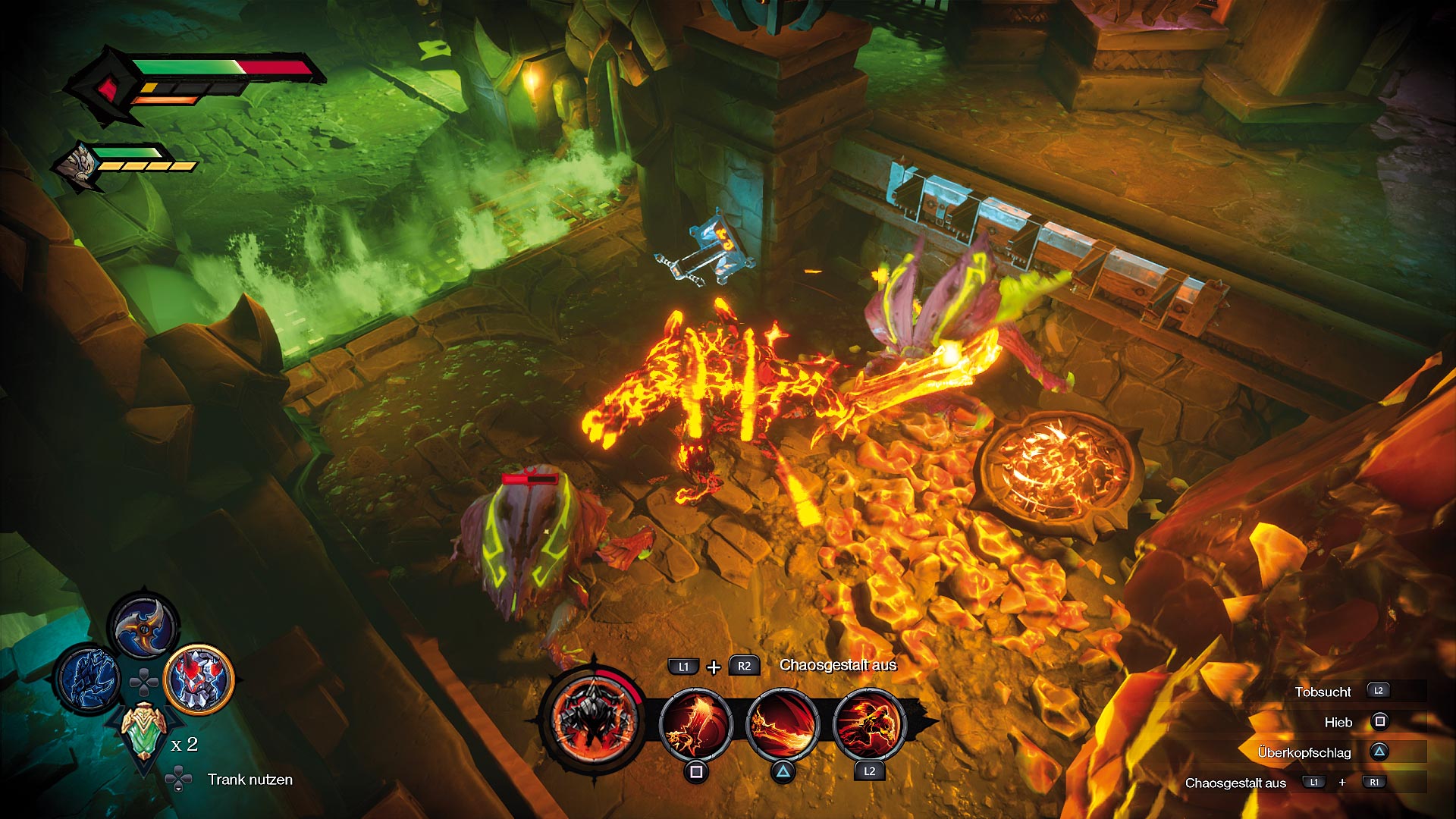
It is the strings in particular that breathe life into pieces such as Icebind CavernGareth Coker or Bastion’s FallGareth Coker . While the former seems almost neutral and only conjures up the icy atmosphere of its eponymous setting towards the end, Bastion’s FallGareth Coker fluctuates between bittersweet melancholy and cold anger – or even pure hatred. Although the track CreditsGareth Coker capture the score musically in its entirety, the most accomplished combination of classical and modern can already be found in the Main Theme Darksiders GenesisGareth Coker, which wanders between emotionally moving and dramatically fatalistic moments.
Another reason for the album's coherence is the leitmotif that Coker establishes in the dramatic DethronedGareth Coker : a plaintive choir in a staircase-like sequence of notes that drifts into shrillness. This element recurs throughout, for example in The Slag PitGareth Coker, Dredge WorksGareth Coker and especially in the opulent end boss track MolochGareth Coker. The motif gives the score its own identity, even if connoisseurs of the composer will occasionally notice similarities to his other works – for example, in MammonGareth Coker, which begins like the League of Legends-adventure Ruined King and stylistically tends towards Ori halfway through. I give this delightful composition two thumbs up.