Darksiders III
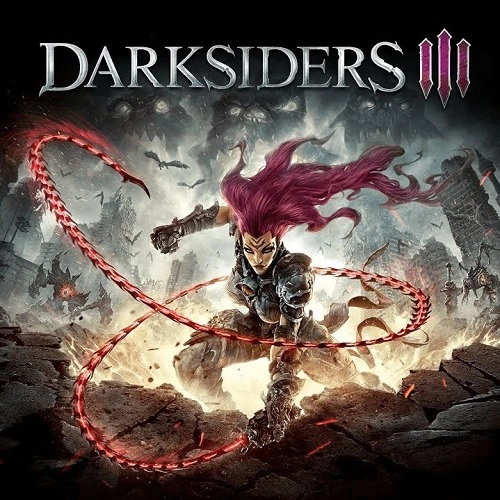
Fury (of) the goddess
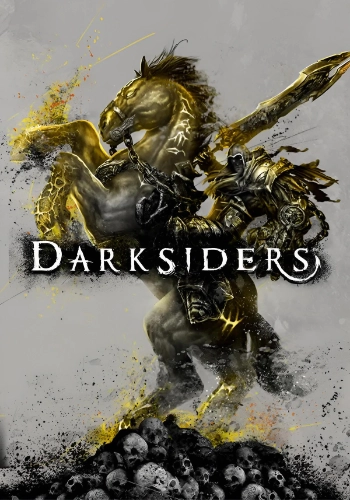
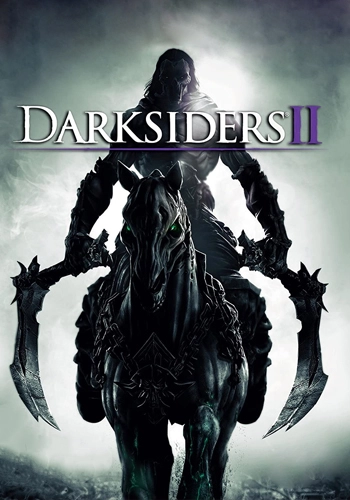
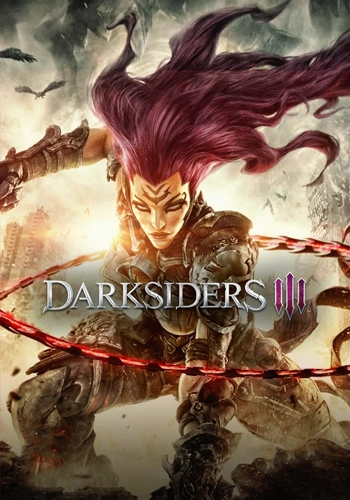
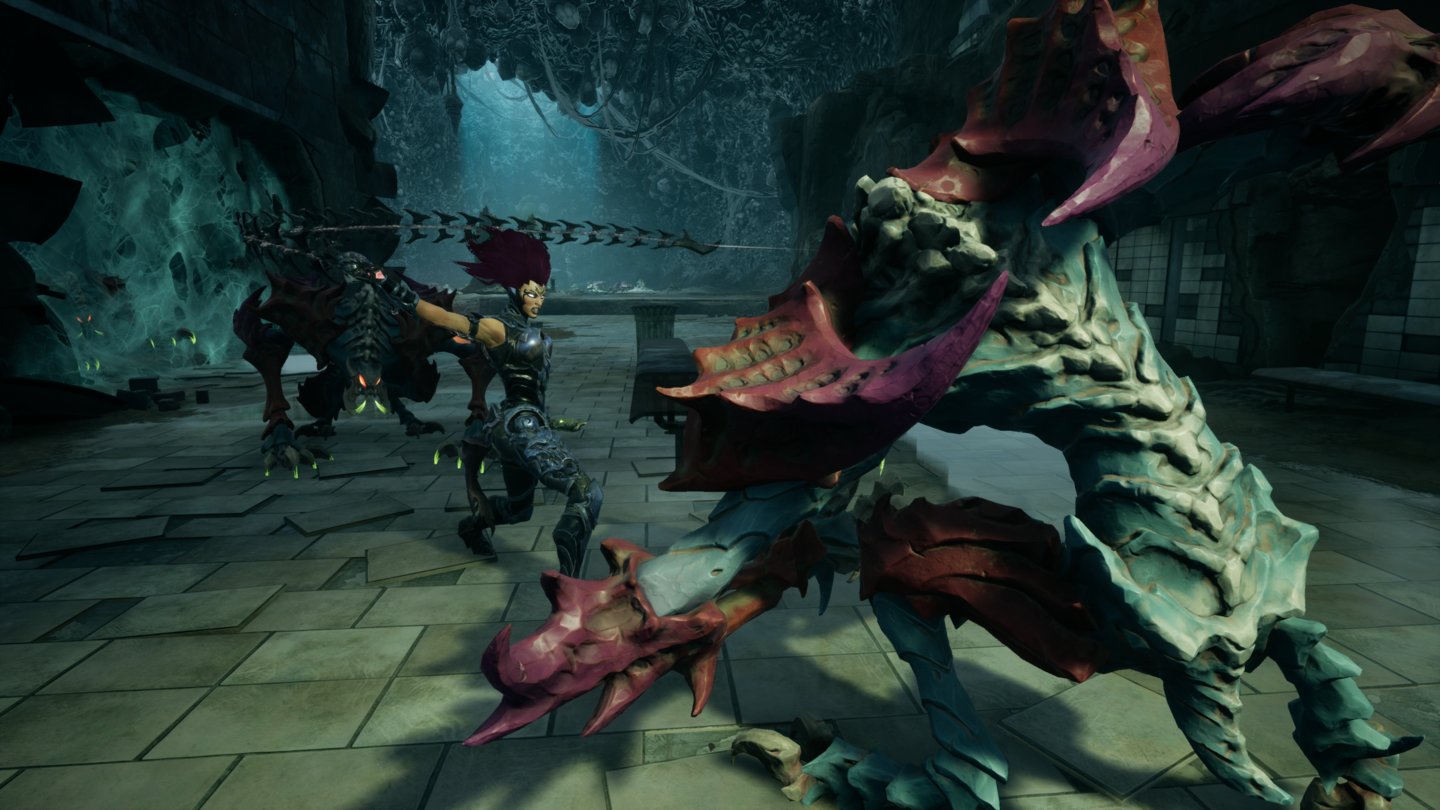
Victory, war, famine, death – these words do sound pretty apocalyptic. Fittingly these are, in fact, the biblical names of the four horsemen of the apocalypse, whose appearance, according to tradition, is supposed to herald the end of the world. We already know two of these horsemen from the Darksiders-series: War (Darksiders) and Death (Darksiders II). In the third installment, released in 2018, it was the turn of the whip-wielding Fury. Wait a minute – isn't she missing from the biblical list?
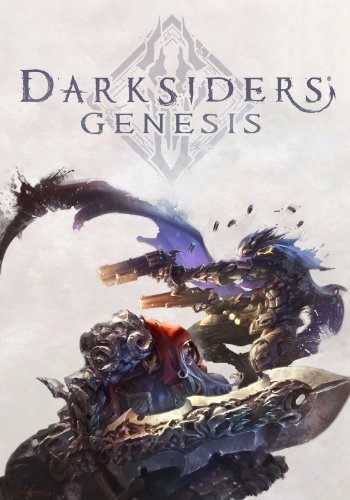
Correct. The former development studio Vigil Games (which was re-established as Gunfire Games after its closure in 2013) took some creative liberties: they replaced Famine and Conquest with Fury and Strife, the latter making its appearance, as you might have guessed, in the fourth installment, Darksiders: Genesis. Otherwise, the story and gameplay remained true to its predecessors. So once again, we have to cleanse a destroyed New York in Metroidvania style of all kinds of plagues. You can read about how that feels in the accompanying game review.
The score
While in the previous game, Darksiders II Jesper Kyd delighted us with poignant melodies that drifted into the realm of fantasy, Cris Velasco – who had already composed the music for the series debut together with Michael Reagan and Scott Morton – was back for part 3. This time, he worked alone, which did not detract from the quality of the 24 tracks on the OST. Instead, we now hear Velasco's distinctive orchestral work much more frequently, whose trademark is the combination of powerful drums and dominant brass instruments.
Since he already demonstrated this in the first God of War the comparison is obvious. I already made this comparison in my first Darksiders-review, and Darksiders III also sounds a lot like divine jaw realignment. The introduction to Fury’s ThemeCris Velasco immediately exudes subtle Kratos vibes, although here the gender of the protagonist is emphasized by a dominant female choir. This brings the piece closer to the Assassin’s Creed Odyssey-score – which is no bad thing.
As expected, the composer's penchant for the brutal comes through particularly in the pieces accompanying the Dark Souls-like boss fights that Fury must defeat on her journey from literal fury to the somewhat more moderate Alpha Karen. These are the seven deadly sins, which is why the score includes the titles SlothCris Velasco, WrathCris Velasco, GluttonyCris Velasco, LustCris Velasco, PrideCris Velasco, AvariceCris Velasco and EnvyCris Velasco . But other enemies such as Lord of the HollowsCris Velasco or AbraxisCris Velasco also stand in our way.
Needless to say, these come in different forms and variations: the track for the unsightly slobbering monster SlothCris Velasco is powerful and interspersed with bubbling SFX, while WrathCris Velasco is given the “tribal” feel I often refer to, thanks to unbridled drums and horns. The intro to LustCris Velasco meanwhile, reveals a clear similarity to Isle of CreationCris VelascoGod of War II from the first GoW although subtle beats bring a bit of modernity to the score here. PrideCris Velasco meanwhile, features the use of the organ.
It is clear that Velascos' forte lies primarily in narrating epic battles and dramas. Although he was able to strike a more touching note in recent scores such as Song of Nunu: A League of Legends Story he doesn't quite succeed in Darksiders III . This may be intentional, but idyllic pieces such as the flute pieces UlthaneCris Velasco and Maker’s HideoutCris Velasco or the atmospheric Haven CityCris Velasco are not convincing. Other pieces, such as the devotional Requiem AeternamCris Velasco are harmonious, but do not reach the emotional depth of The CrowfatherJesper KydDarksiders II from the predecessor or even Valiant Hearts / Child of Light , for example.
While Come Play with UsCris Velasco seems a little spooky with its music box aesthetic, tracks like Usiel’s BargainCris Velasco score points with the light mystery flair of Uncharted or Indiana Jones . The flutes and strings in Soul GatheringCris Velasco lso creep in the same direction – here, the comparison to Die Mumie comes to mind. However, the best pieces remain those in which the drums rumble and the brass resounds – preferably accompanied by dark, exaggerated strings, as in The HorsemanCris Velasco or The Hollowing CeremonyCris Velasco. Unfortunately, no track qualifies for full marks, but the quality is seamlessly in line with that of its predecessors.