Prey
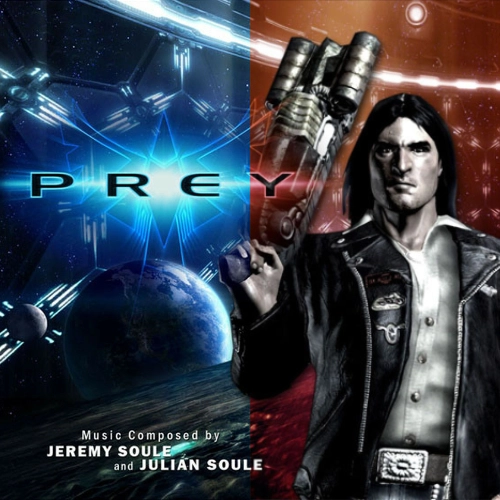
Prey-teritum
The score
Of course, that's no reason not to listen to the soundtrack, which comes from none other than the brother duo Jeremy and Julian Soule. The name Jeremy Soule in particular should have jumped out at readers of this site - not least because of the accusations of sexual abuse. However, his less controversial brother also appeared in combination with Inon Zur on the surprisingly good score for the barley game Star Trek: New Worlds.
As far as I know, this is the first time Soule has composed for a classic first-person shooter (not countingElder Scrolls-games). In this respect, it feels strange for me to hear his familiar keyboard of strings, brass and general bombast in the context of a sci-fi shoot-em-up. Sure, in games like Company of Heroes or Supreme Commander in particular, all kinds of lead bullets and laser blasts change sides of the battlefield, but I would have expected Soule's music in the usual fantasy corset. Well, on the other hand, the composer, who disappeared from the scene after the accusations made against him in 2019, could be heard in almost every game in the mid-2000s. And the sad thing is: rightly so!

Soule knew better than almost any other (Western) video game composer at the time how to write music that was on par with that of the big screen. He gave Knights of the Old Republic, The Elder Scrolls III: Morrowind and even comparatively childish games such as the first Harry Potter-games soundtracks that are simply worth listening to and still work just as well today, decades later.
Wenig unerwartet liefert er auch bei Prey zusammen mit seinem Bruder sehr gute Arbeit ab. Die 30 Tracks, verteilt auf zwei CDs, erwecken heute bei mir jedoch zu häufig Assoziationen mit seinen anderen Scores, weshalb ich in vielen der Liedern Fragmente aus anderen Spielen höre: Das fängt schon mit dem starken Prey OvertureJeremy Soule, Julian Soule an, dessen dramatische und fast schon epochale Eröffnung bei mir direkt Erinnerungen an Massenschlachten Marke Supreme Commander and Company of Heroes wach werden lässt. Auch „As If Appearing from No Where…“ Jeremy Soule, Julian Souleand Splitting the ArrowJeremy Soule, Julian Soule schlagen in diese Akustikkerbe, obgleich ich hier noch eine Spur Neverwinter Nights herauszuhören glaube.
This contemporary review by Mike Brennan on Soundtrack.net from October 1, 2006, gives the score a 4/5 and describes the latter track as follows:
Splitting the ArrowJeremy Soule, Julian Soule ist das andere herausragende Stück der Partitur und beginnt mit einem Klaviersatz des Hauptthemas [track]Prey Overture[/track]. Stürmische Action-Musik setzt ein, um dann in eine schnelle, aber längere Version des Liebesthemas mit Streichern und Bläsern überzugehen, die auf den triumphalen Klang der Ouvertüre zusteuert.
Mike Brannan on Splitting the ArrowJeremy Soule, Julian Soule
However, these stirring pieces are also contrasted by many darker, almost menacing tracks such as Aniwyah CallingJeremy Soule, Julian Soule or Cries in the DarknessJeremy Soule, Julian Soule , whose suspense almost reminds me a little of Mass Effect 3 . In the course of Back to the Ancient LandJeremy Soule, Julian Soule however, hopeful major sounds are crushed by doubtful dysphonies, which sounds like a typical horror/thriller score.
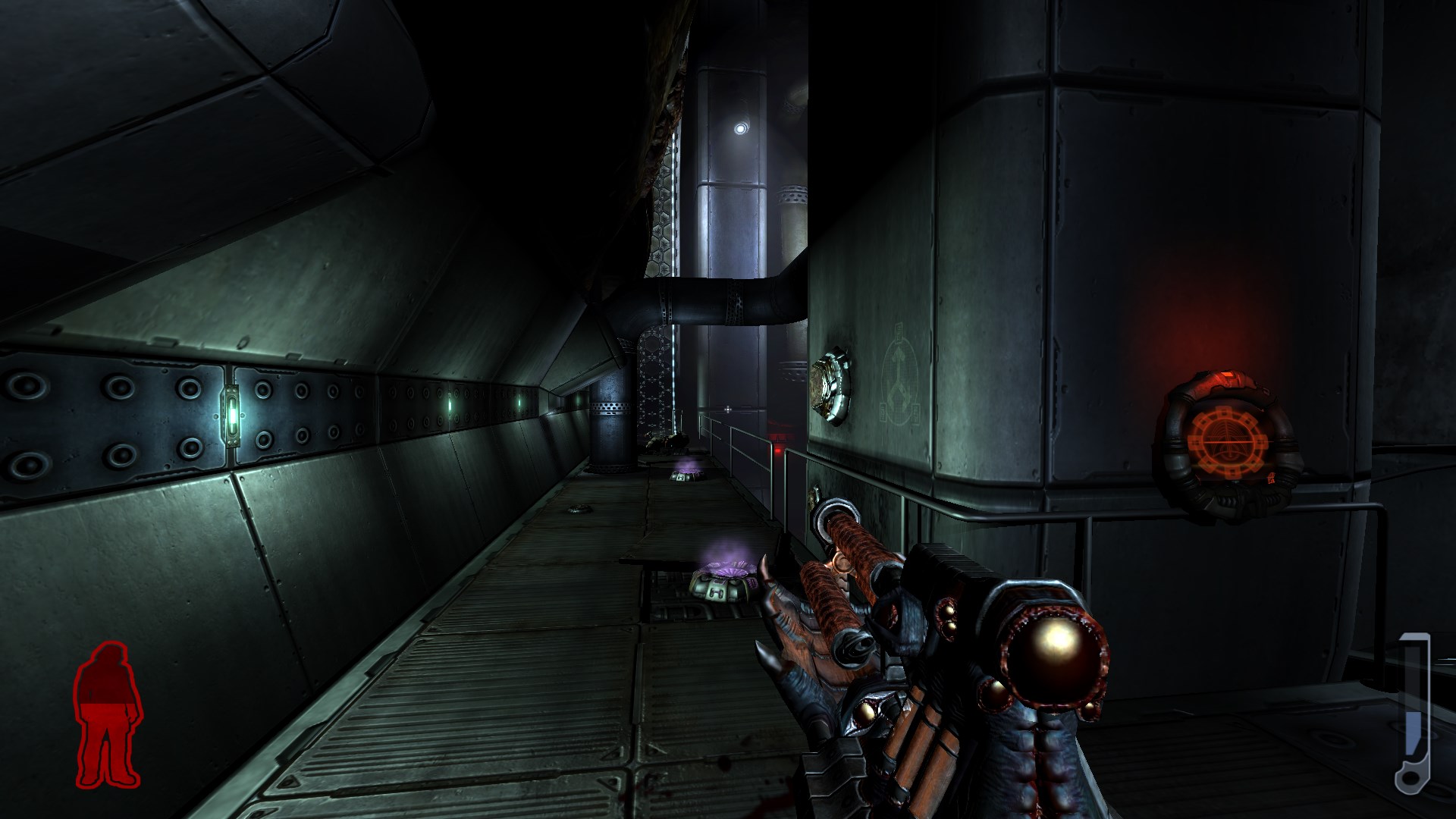
In general, Soule's composition was less groundbreaking in its design than in showing what music from video games is capable of (also technically). Because, and I didn't know this myself, according to Soule Brennan, he had “created his own large sample library and recorded it with an orchestra”, as he writes in his review of Dungeon Siege II . This created the orchestral feeling for which I have often celebrated the composer and which is common practice nowadays, especially for smaller creatives, in order to save the costs of a live production.
Soule's technique and methods of composition do show game producers a new way of achieving this caliber of score. […] There is over three hours of music for Prey, which is the first FPS (first-person shooter) game score to achieve the musical breadth of a large-budget film.
Mike Brennan on Soules Sampling technique
That of course explains why a lot of things sound similar to me. Same same, but different, but still the same. But if it's the same thing at a high level of quality, there's nothing to complain about, which is why I think the Prey-score is quite well done. But at the same time, I can't close my mind to the similarity to his other works, which mean more to me, and I can't ignore the controversy surrounding Jeremy Soule as a person.
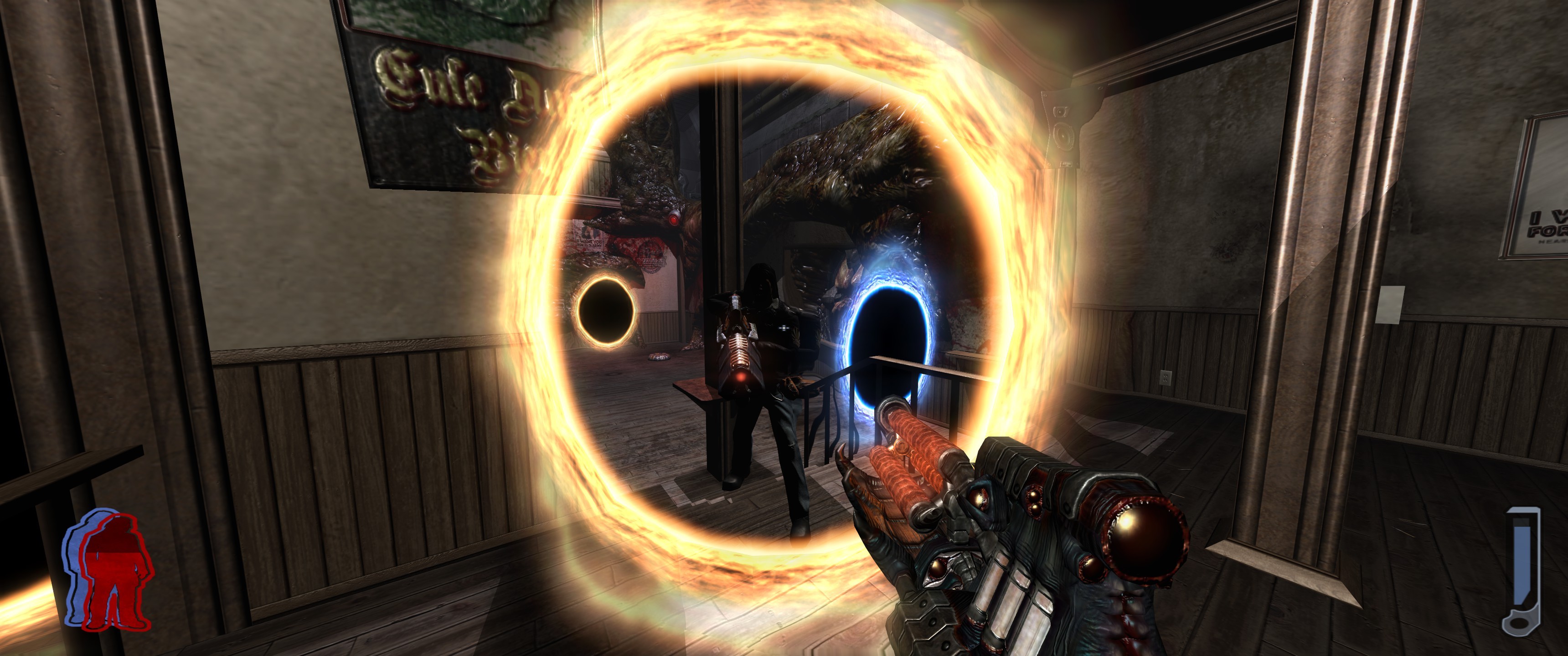
So at this point I'd like to leave the conclusion to Brennan, who has significantly enhanced this review with his comments and made the following judgment, uninfluenced by 18 past years:
I am normally very hesitant to make comparisons to the likes of Williams though I did recently in reviews for Soule's Harry Potter-video game scores), but upon listening to the two-disc score, I realized that the comparison is dead on, and that Prey is up there with some of the best orchestral science fiction scoring like War of the Worlds and even parts of Star Wars . It has also been compared to Goldsmith's Capricorn One mixed with the electronic elements of Callery's 24. […]
Soules' work for Prey , even more in its production than in the audible end product. It will be interesting to see where video game scores go from here.
Mike Brennan on the Prey-score.