BioShock 2
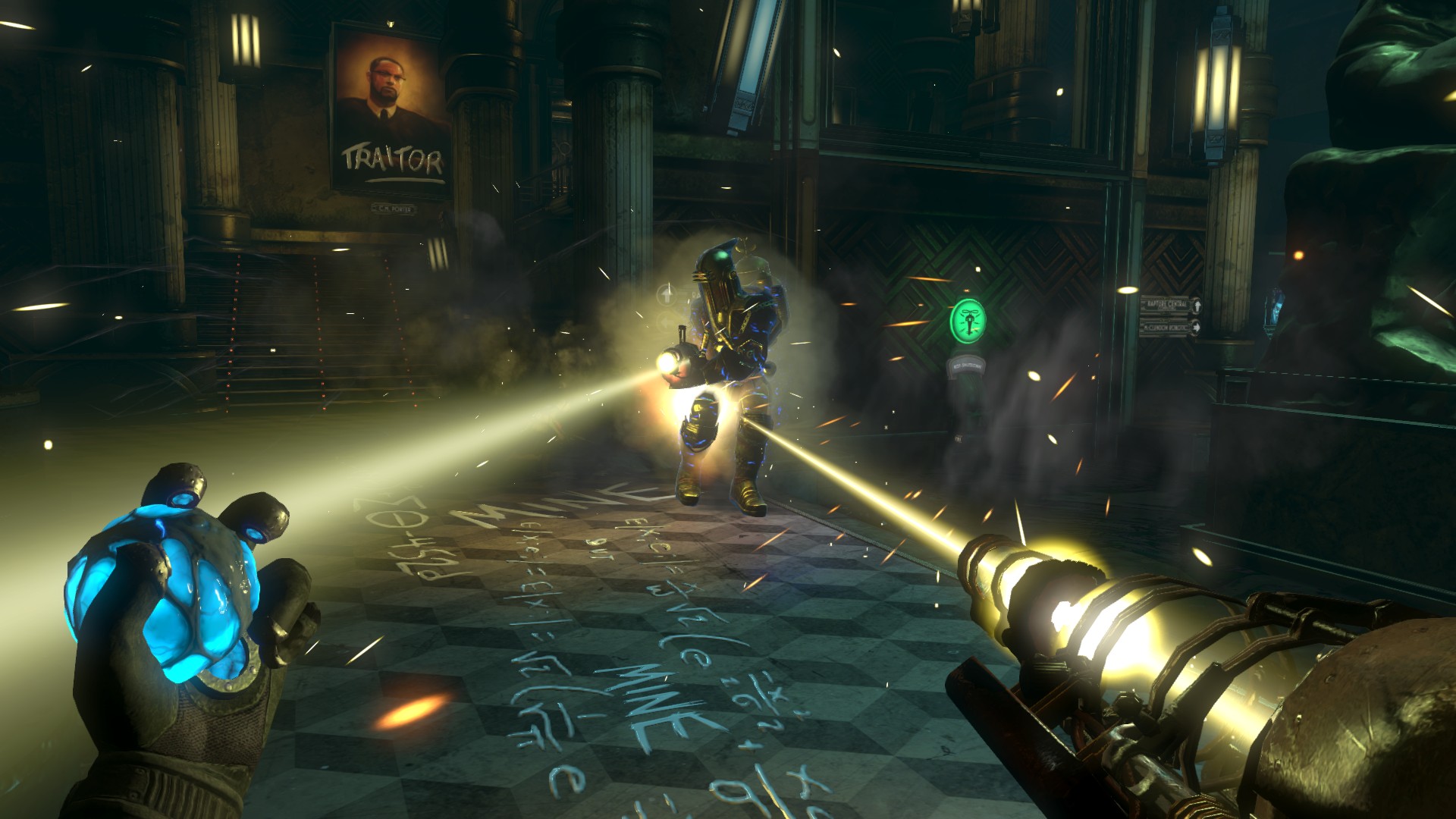
Dystopian darkness in the floodlight
As a player, meeting the two was always a special thrill; that moment when the first tremors and whale-like moans announced his arrival and "Mr. Bubbles" leisurely shuffled past us was always a highlight for me. In BioShock 2 , however, this fascination was a little less noticeable. As a special twist, we (unsurprisingly) no longer play the protagonist from part 1, but slip into the role of the deep-sea guard ourselves!
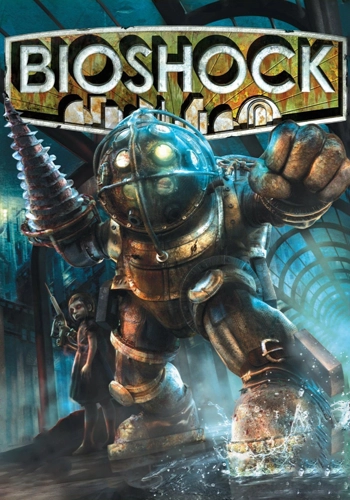
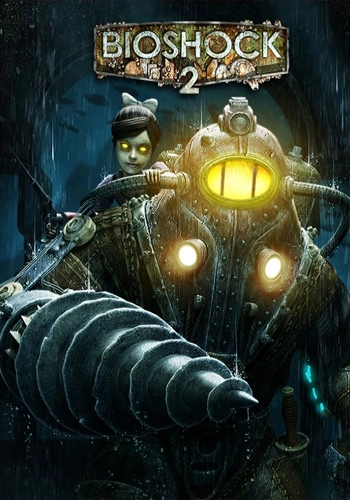
A great approach that not only offered new gameplay possibilities such as underwater walks and companion passages (wohoo!), but also allowed the narrative to get to know Rapture from a completely different angle. Nevertheless, the story couldn't quite match that of its predecessor, which wasn't to be expected considering the great plot twist towards the end. I certainly enjoyed the game at the time, even if you should probably pick up the first BioShock for a real scary atmosphere.
The score
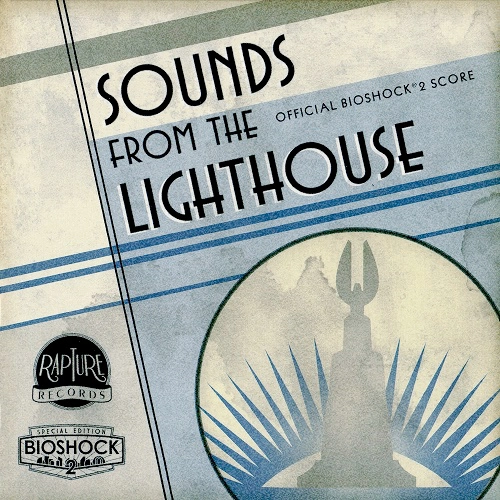
Where the game continues seamlessly, however, is the soundtrack quality. The OST, which runs under the title BioShock 2: Songs from the Lighthouse was once again composed by Garry Schyman and continues his style from part 1. Once again, we are presented with an album that raises the hairs on the back of our necks one second before one moment later all hell breaks loose. Alongside the piano, the string instrument literally plays first fiddle once again and oscillates between sad, tragically drawn interludes and scratchy, creaky jumpscare moments.
Fans of games like Dead Space will get their adrenaline pumping with tracks such as Big Sister on the MoveGarry Schyman, Send Him Howling Back to HellGarry Schyman or EscapeGarry Schyman , while fans of BioShocks well-known balancing act between sad melancholy (Ten Years LaterGarry Schyman, How She Sees the WorldGarry Schyman) and a dark horror feeling (The AbyssGarry Schyman, Entrance to EdenGarry Schyman) will also get their money's worth. Meanwhile, parallels to Schyman's later work on Destroying the LobbyGarry Schyman werden derweil Parallelen zu Schymans späterer Arbeit an Shadow of Mordor become clear in "Destroying the Lobby".
It is interesting to note that the composer expands his repertoire for worldbuilding, for example by imitating stomping noises using rhythmic percussion (Grace Under the SunGarry Schyman, Lockdown MarchGarry Schyman) or creating bustling swarms of rats in our mind's eye through the seemingly chaotic disarray of the strings (Out the AirlockGarry Schyman). Also new are the jazz and blues borrowings, which give tracks such as Cult of LambGarry Schyman or Welcome to the Drop [Alternate with Vocal]Garry Schyman a noir touch by means of saxophone solos and female vocals. This creates a certain Golden Age Hollywood feeling.
This is not least due to the second part of the score, which is known as the Licensed Soundtrack . With classics such as (How Much Is) That Doggie in the WindowPatti Page by Patti Page, patriotic war songs (Praise the Lord and Pass the AmmunitionKay Kyser & His Orchestra) or songs by Frank Sinatra, this features the usual mix of songs from the 30s to 60s, as we know them from the Fallout-series, for example.

Meanwhile, my personal highlight, alongside the aforementioned dramatic Big Sister on the MoveGarry Schyman, is the enchantingly depressing theme PairbondGarry Schyman. This has not only made it into my Top 15 saddest tracks , but is even in my lost of the Top 100 Video game tracks. So I'll quote myself briefly at this point:
The what-could-have-been hangs heavy over PairbondGarry Schyman, the theme song to the underwater horror shooter BioShock 2. The lone violin soulfully plays a melody full of bitterness and longing, accompanied by more strings, which watch the events like a crowd of silent observers, but do not join in. The melody remains alone before fading away into the darkness.
Me about PairbondGarry Schyman from Top 15 Saddest tracks
Consequently, I give the OST two thumbs up towards the surface.