Battlefield 2: Modern Combat
Forward ever
Any gamer who was around at the turn of the millennium is surely familiar with the phenomenon of porting pain. This suffering was experienced by all those who, unprepared and full of anticipation, bought a game based on the screenshots on the back of the packaging—only to discover later that the actual game looked completely different. The reason: porting. Because the game we bought for PC or one of the many consoles was not the same everywhere.
One traumatic experience for me, for example, was the terrible version of the Spider-Man 2-video game for PC. It advertised content from the PS2 version but was simply worse in every respect. That's why it only scores 42 points (user score 4.8/10) on Metacritic, while Spidey's adventure on PlayStation 2 scores 83 and has a user score of 7.6. Another example is the PC version of the James Bond-adventure James Bond 007: Nightfire, but that's just getting off topic.
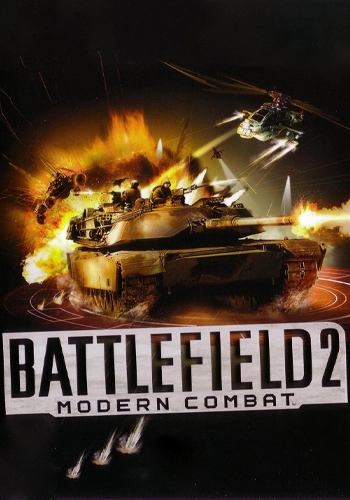
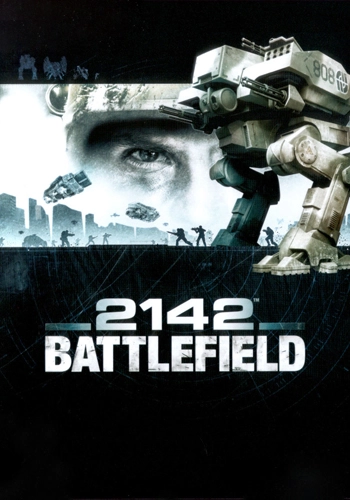
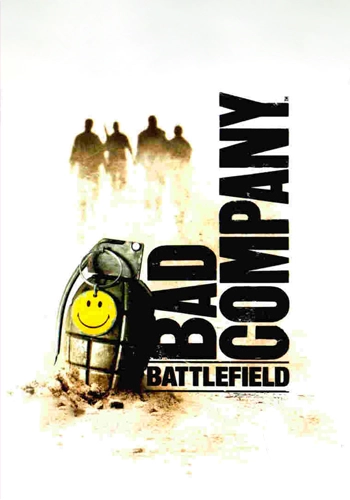
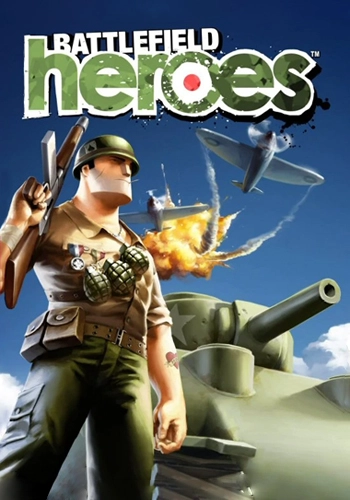
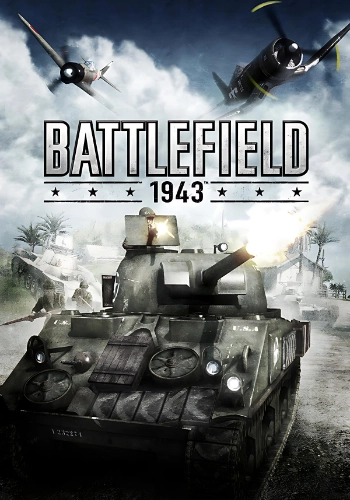
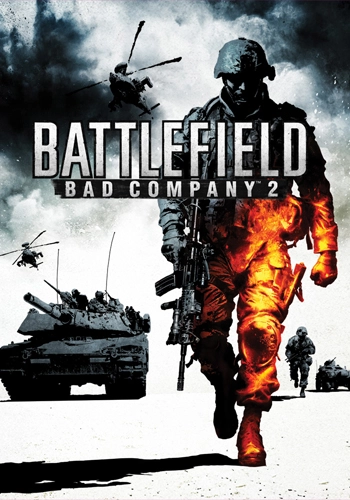
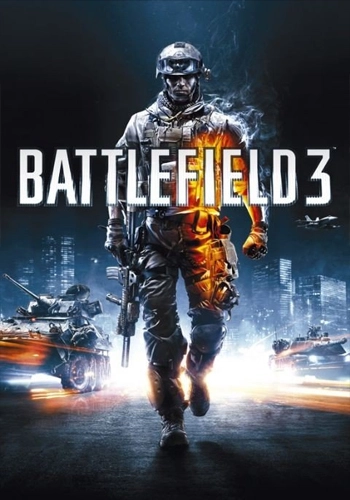
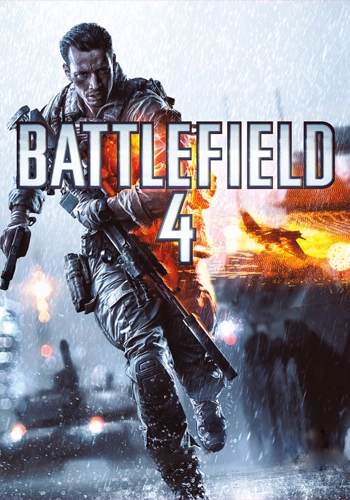
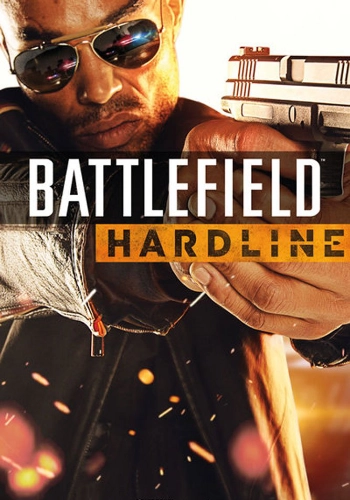
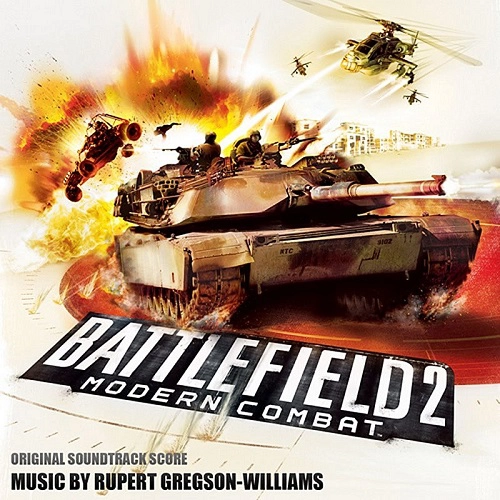
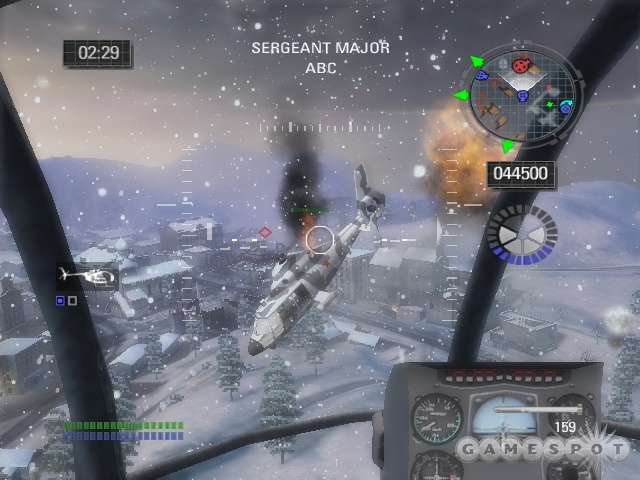
Why am I telling you all this? Well, because back then it was common practice to develop different versions for different systems. Nowadays, games primarily differ in terms of technical adaptations for consoles and PCs, but back then they were really different games. Another example from this era is Battlefield 2: Modern Combat. This was not a simpleconsole spin-off of Battlefield 2, which was in development at the same time, but a standalone game with a single-player campaign – basically Halo on Earth. In this respect, my claim that Battlefield Bad Company was the first installment with a single-player experience was, in fact, false. Sorry!

The score
What this also means is that it has its own score, which we will now discuss. The 14 tracks on the OST (yes, there is an OST) were composed by renowned film and TV composer Rupert Gregson-Williams (The Road to El Dorado, Wonder Woman, Aquaman, The Crown) – not to be confused with his equally famous composer brother Harry Gregson-Williams (The Chronicles of Narnia: The Lion, the Witch and the Wardrobe, The Martian), who wrote for the Metal Gear Solid- and Call of Duty-series.
His little brother's pieces for the shooter adventure are named after the single-player missions in which they appear, and they are all well done. Fast-paced, driving, and with a constant focus on action, they underscore the bustling action during the game, but also work independently of it. A trademark of the score are the brass instruments, which repeatedly roar in from the side and shake us awake, while the electric guitar riffs resound beautifully.
This interplay works particularly well in BF Menu MusicRupert Gregson-Williams. Here, Asian sounds hint at the game's underlying conflict before the aforementioned brass instruments trumpet out the Battlefield motifs, until the drums and guitar finally kick in. The score manages to cover up its age and canned sound quite well, but the reuse of musical set pieces is noticeable. That doesn't have to be a bad thing if it's done well... and it is here.
At the same time, the album won't win any creativity awards, as it primarily attempts to convey a sense of hecticness and chaos. It constantly pushes us forward, always loud, always fast. There are no moments to catch our breath, so marginally “quieter” tracks like End of the LineRupert Gregson-Williams are a rare and welcome change. All other tracks follow the principle of SED frontman Erich Honecker: “Forward ever, backward never.”
That's why, despite some good individual tracks, I'm only giving the album an average rating. n average rating. The rock content is too uniform, the overall work too lacking in variety. That may be fine for the game, but without it, it's only half as much fun. I doubt that Tobias Marberger's multiplayer tracks would change my opinion. But since they can't be found on the internet, it remains a quest