Battlefield: Bad Company
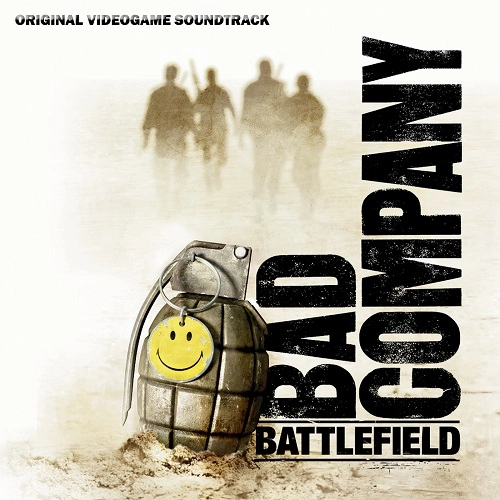
Strings attached
Every major franchise needs its team of complete idiots who are actually highly trained and absolutely capable, but who have never quite internalized the importance of taking things seriously: Marvel has its Guardians of the Galaxy, DC throws the heroes-against-all-odds team Suicide Squad into the mix, and Battlefield has the Bad Company. Not to be confused with the Bed Company, which my girlfriend belongs to, by the way.
Unlike all previous Battlefields bietet Bad Company eine vollständige Singleplayer-Kampagne, die sich um die namensgebende B-Company dreht. Besagte Kompanie besteht aus uns, Private Preston Marlowe, dem Squadleader Samuel ‚Sarge‘ Redford, Terrence ‚Sweets‘ Sweetwater und Comic-Relief-Sprengmeister George Gordon Haggard Jr. Die Story ist hierbei von deutlich mehr Klamauk gezeichnet, als man es von der bierernsten Battlefield-Marke erwartet hätte. Das „Bad“ bezieht sich dabei, wie gesagt, nicht auf die Fähigkeiten pder Truppe – selbst DICE würde keine Gruppe Schulkinder mit Wachsmalstiften in den Kampf ziehen lassen.
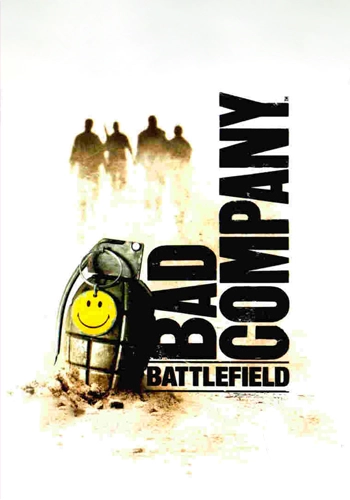
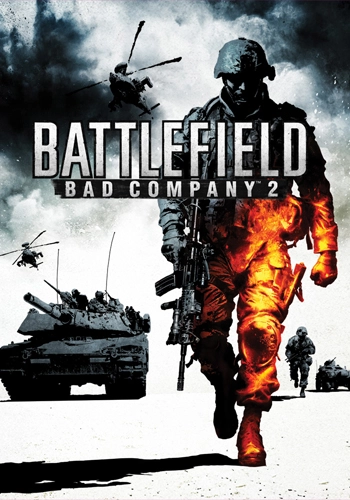
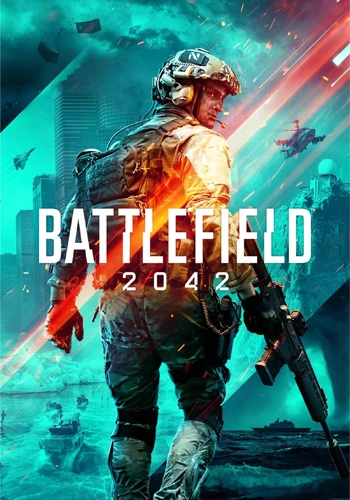
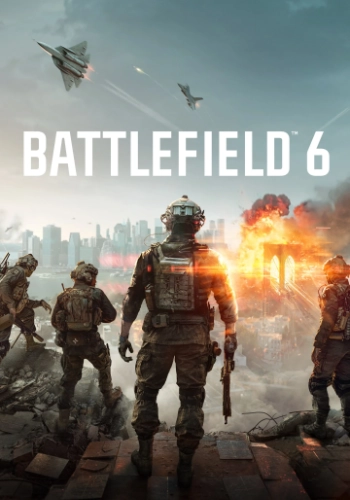
At least, that's my impression of the sequel, Bad Company 2, given that I was never able to play the first installment due to its console exclusivity. If the quality of the predecessor was at a similar level, it certainly provided a few hours of entertainment.
However, the heart of the series was and still is the multiplayer mode, which stood out thanks to a trademark feature that was sometimes more prominent and sometimes less so in subsequent titles: the destruction of the environment. Whereas the eponymous battlefields of its predecessors were static and unchanging, suddenly it was possible to blow holes in walls or bring entire houses crashing down. This system made the series' multiplayer unique again at the end of the 2000s and provided me with countless hours of entertaining destruction orgies in the sequel.

The score
Great game makes for a great soundtrack? The equation may be simple, but it's true. As has become customary, a new composer was commissioned for the spin-offs of the Bad Company-series. Mikael Karlsson worked as an audio designer at developer DICE and had previously earned his master's degree in classical composition – and you can hear that. The Swedish composer's only two musical forays into the world of video games are marked by influences from classical composers and rely on an orchestral sound. There are a total of five themes, each in at least two versions: as Orchestral, as Chamber, as Piano and as Cello Solo Version.
Strings, powerful percussion, and brass instruments tear the familiar Battlefield-theme in Battlefield Theme [Chamber Version]Mikael Karlsson from the confines of modern urban warfare and drag it into the musical world of the 18th century, placing it in the realm of games such as Empire: Total War or Cossacks: European Wars. This compositional anachronism is unique to the series, but it works brilliantly. Where Battlefield 2142 sounds more like fantasy than future, the musical power of the combination of cello and violin is powerful, brutal, and untamed, lending the modern setting more gravitas.
Prelude to a Lost Cause together with Battlefield Theme [Orchestral Version]Mikael Karlsson in its two versions, is more in line with classic video game action fare such as Uncharted or the later Tomb Raider-games. War Theme Mikael Karlssonon the other hand, has a melancholy tone reminiscent of Band of Brothers or the early Call of Duty-/Medal of Honor-games. The same can be said about Leggionaires ThemeMikael Karlsson in its four versions, which oscillates between tragic ([Orchestral Version]), fatalistic ([Piano Version]), gloomy ([Chamber Version]), and sad ([Cello Solo Version]). This evokes associations with string-heavy scores such as Olivier Derivière's work on Vampyr or the A Plague Tale-series, and pleases my ears.

I don't know if this will convince Battlefield-fans. What I can confirm with certainty is that the game rip is superfluous. This 16-track album not only contains nine of the ten incorrectly named tracks from the main game, but also six less exciting tracks consisting of the loading time tracks Drums of Battlefield Bad CompanyMikael Karlsson, The DrumsMikael Karlsson as well as Prelude to Battle 1Mikael Karlsson, 2 and 3, the jazzy Menu Theme The BeastMikael Karlsson by Milt Buckner, and last but not least, the 21-minute Radio SurfMikael Karlsson, which probably provides beach flair in the background of some mission.
Conclusion: The score is different, exciting, and well done. Despite a lack of individual themes, the versions are varied enough that it never gets boring. Fans of the game will enjoy the nostalgic feel of the past anyway, and everyone else should definitely give it a listen. I think it's great, and because I know what's coming next (Bad Company 2), I'm even more hyped for the music of the sequel!